
Understanding the psychology behind gambling behavior at casinos
The Allure of Gambling: An Overview
The psychology behind gambling behavior is a complex interplay of emotions, motivations, and environmental factors. At its core, the thrill of gambling stems from the promise of potential winnings, which can elicit excitement and euphoria. The prospect of a large payout often drives individuals to participate in games of chance, where they may feel a sense of control over their outcomes. This psychological rush is often heightened by the vivid stimuli present in casinos, from flashing lights to the sounds of coins falling, all designed to create an immersive experience that reinforces gambling behavior. Additionally, many players are drawn to Dudespin Casino, where extensive options await them.
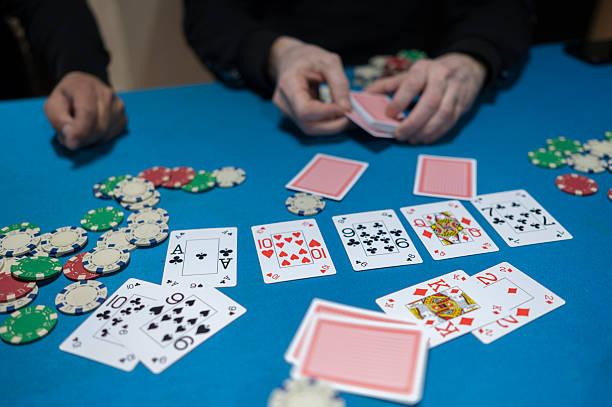
Additionally, the unpredictability of gambling outcomes plays a significant role in its allure. This uncertainty taps into what psychologists call the ‘near-miss effect’, where players often find themselves just one step away from winning. This phenomenon can lead to increased engagement, as the brain’s reward pathways become activated with each near-miss. Players are not only seeking financial rewards; they are also chasing the emotional highs that come with the potential for winning, making it a powerful motivator to continue gambling even in the face of losses. In particular, the Dudespin casino review highlights how exciting such experiences can be.
Moreover, social factors contribute heavily to gambling behavior. For many, casinos represent not just places to gamble but social environments where camaraderie is built over shared experiences. The social aspect can often overshadow individual motivations, creating a group dynamic that encourages participation. Casinos capitalize on this by providing lounges, bars, and communal gaming areas, which foster social interaction and create a welcoming atmosphere for gamblers. Understanding these aspects helps to frame why individuals may find themselves repeatedly drawn to gambling despite the risks involved. Ultimately, Dudespin casino Canada exemplifies this social dimension of gaming.
The Role of Cognitive Biases in Gambling
Cognitive biases play a critical role in how individuals perceive their chances of winning when gambling. One common bias is the gambler’s fallacy, where individuals believe that past outcomes will influence future ones. For instance, a player might think that after several losses on a slot machine, a win is ‘due’. This misconception can lead to prolonged gambling behavior as individuals chase what they perceive as inevitable victories, often leading to increased losses over time.
Another cognitive bias frequently observed is illusion of control, where gamblers believe they can influence the outcomes of games of chance through skill or strategy. This often manifests in poker or blackjack, where players think that their decisions can impact the game. This belief can create a false sense of security, leading them to take greater risks than they typically would. Such biases can trap individuals in a cycle of betting, ultimately reinforcing gambling behaviors and making it difficult for them to recognize the inherent randomness of many casino games.
Furthermore, confirmation bias affects how gamblers interpret their experiences. Players may focus on instances where they won and discount losses, which can skew their perception of their gambling success. This selective memory encourages the belief that gambling is a viable strategy for income or entertainment, thus perpetuating their gambling habits. Understanding these cognitive traps can provide insight into how gambling behaviors are formed and maintained, highlighting the need for greater awareness among players.
Addictive Elements of Casino Design
The design of casinos is meticulously crafted to promote prolonged gambling behavior. Elements such as layout, color schemes, and soundscapes are strategically chosen to create an enticing environment. For example, the layout of casino floors often lacks clear exits, making it easy for players to become disoriented and continue gambling longer than they intended. The stimulating environment keeps the adrenaline flowing, effectively blurring the line between entertainment and compulsion.
Additionally, sensory stimuli play a pivotal role in gambling psychology. Bright lights, upbeat music, and the sounds of winnings can create a euphoric atmosphere that keeps players engaged. These sensory cues activate the brain’s reward system, making the act of gambling itself an addiction-forming behavior. Casinos also employ tactics such as free drinks and rewards programs to encourage players to stay longer, capitalizing on their desire for social interaction and the possibility of winning big.
Moreover, the integration of technology into modern casinos has further changed the landscape of gambling behavior. Online platforms, such as those featuring extensive game offerings, create accessible environments where players can gamble at any time and place. This convenience can lead to impulsive gambling behaviors, as players can quickly place bets from their mobile devices. Such features emphasize the importance of recognizing and managing addictive tendencies, both in physical casinos and in the online realm.
The Impact of Emotions on Gambling Decisions
Emotions significantly influence gambling behavior and decisions. Players often gamble to escape negative feelings or to enhance positive ones. For instance, individuals may visit casinos when feeling stressed, seeking solace in the thrill of games or the potential for winning money. This emotional coping strategy can lead to risky gambling behavior, as individuals may chase losses in a bid to alleviate their negative emotional states, often resulting in deeper financial trouble.
Conversely, positive emotions can also drive gambling behaviors. The excitement of winning can create a feedback loop, encouraging further gambling to replicate that euphoric feeling. Such experiences can lead to what psychologists term ‘gambling addiction,’ where the emotional highs overshadow the logical assessment of risk and reward. Players may find themselves escalating their bets to capture that fleeting high, often resulting in detrimental financial and personal consequences.
Ultimately, the impact of emotions on gambling decisions underscores the importance of emotional awareness. Understanding one’s emotional triggers can help individuals make informed decisions about gambling. This awareness can facilitate better coping strategies, allowing individuals to enjoy gambling as a form of entertainment rather than an escape, promoting healthier gaming habits.

Dudespin Casino: A Responsible Gaming Experience
Dudespin casino stands out as a premier online gaming platform in Canada, aiming to provide an entertaining yet responsible gambling experience. With an extensive selection of games, including slots, table games, and live dealer options, Dudespin ensures that players can enjoy their gaming adventures without compromising their wellbeing. The site encourages responsible gambling through various tools and features designed to help players monitor their gaming habits.
Offering promotions and bonuses, such as a substantial welcome package, Dudespin prioritizes user engagement while promoting a safe gaming environment. The platform features responsible gaming resources, including self-exclusion options and deposit limits, enabling players to maintain control over their gambling activities. This commitment to a balanced gaming experience illustrates Dudespin’s understanding of the psychological aspects of gambling behavior.
In conclusion, Dudespin casino not only delivers an array of gaming experiences but also emphasizes the importance of responsible gambling. By fostering awareness and providing necessary tools, the platform aims to cultivate a safe space for players, making it a reliable choice for those who wish to engage with casino gaming mindfully. Understanding the psychology of gambling behavior can aid players in making informed choices, ensuring that their experiences remain enjoyable and within their control.