
Understanding the psychology behind risk-taking behavior in casino environments
The Allure of Casinos
Casinos have long fascinated individuals due to their vibrant atmosphere and promise of instant rewards. The thrill of uncertainty, combined with the sensory stimulation of lights and sounds, creates an environment that encourages risk-taking behavior. People are naturally drawn to opportunities that promise excitement, making casinos a perfect venue for those looking to break free from routine and embrace the unknown. Additionally, many are curious about lumoraprimex reviews to ensure they are engaging in safe practices while enjoying this thrill.
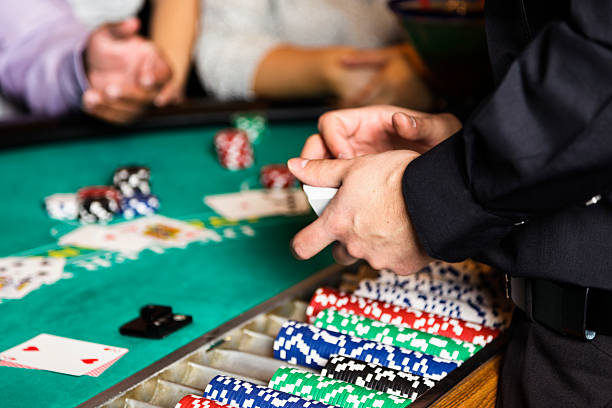
The culture surrounding casinos also plays a significant role. The glamour associated with winning big can overshadow the realities of gambling, leading individuals to perceive risk-taking as a pathway to wealth and status. This allure is often compounded by marketing strategies that emphasize luxury and success, which can skew perceptions and encourage reckless behavior.
Psychological Triggers in Gambling
The psychology behind gambling involves a complex interplay of emotions and cognitive biases. One primary factor is the illusion of control, where players believe they can influence outcomes through skill or strategy. This belief can lead to increased risk-taking, as individuals might wager more than they can afford, convinced they can turn their luck around.
Additionally, the reward circuitry in the brain activates during gambling, releasing dopamine and creating feelings of pleasure. This biological response reinforces the behavior, making individuals more likely to take risks in hopes of replicating that euphoric feeling. The intermittent rewards typical in casino games further perpetuate this cycle, as players chase the next big win.
Social Influence and Group Dynamics
Social factors significantly impact risk-taking behavior in casinos. The presence of others can amplify the thrill of gambling, with individuals often mirroring the actions of their peers. This social validation can lead to increased betting and bolder choices, as individuals seek to fit in or impress those around them.
Moreover, casinos often facilitate group experiences, such as tournaments and communal games, which can intensify the excitement. The communal atmosphere can create a sense of belonging, making players more likely to engage in high-risk behavior while surrounded by fellow gamblers. The social aspect of gambling cannot be underestimated, as it transforms individual decisions into collective experiences.
The Role of Cognitive Biases
Cognitive biases are significant contributors to risk-taking in casino environments. Gamblers often fall prey to biases such as the gambler’s fallacy, where they believe that past outcomes can influence future ones. This flawed logic can lead players to make irrational decisions, believing they are due for a win after a series of losses.
Another common bias is the overconfidence effect, where individuals overestimate their knowledge or skill in gambling. This can lead them to take unnecessary risks, convinced they possess a winning strategy. Understanding these cognitive traps can help individuals make more informed choices and recognize when their judgment may be clouded by psychological factors.

Promoting Safe Gambling Practices
With the risks associated with gambling, it is essential to promote safe practices. Understanding the psychology behind risk-taking can empower individuals to make more conscious decisions regarding their gambling habits. Setting limits, recognizing cognitive biases, and seeking support when necessary can mitigate the negative effects of gambling.
Organizations dedicated to promoting responsible gambling offer resources and guidance to help individuals navigate the complex emotional landscape of casinos. By fostering awareness and education, these initiatives aim to create a healthier gambling environment where players can enjoy the thrill without succumbing to the dangers of excessive risk-taking.