
The psychological impact of gambling Understanding the mind behind the bets in pin up casino
The Allure of Gambling
The psychology of gambling reveals a complex interplay of excitement, risk, and reward. For many, the thrill of placing a bet brings an adrenaline rush, often described as a high. This experience can create a powerful emotional response, leading individuals to seek out gambling as a source of entertainment and escape. The immediate gratification associated with winning can further enhance this allure, making it difficult for individuals to walk away even when losses occur. In exploring these themes, the various pin-up casino options stand out as particularly compelling.
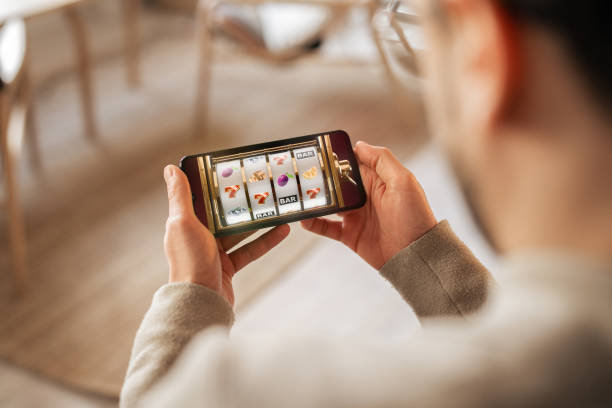
This excitement is often amplified in environments like online casinos, where the accessibility and variety of games create a captivating experience. Gamblers may find themselves drawn to the bright lights, sounds, and immersive themes that accompany their favorite games, making it easy to lose track of time and money in the process.
Cognitive Biases in Gambling
Several cognitive biases contribute to the gambling experience, influencing how players perceive their chances of winning. One of the most prevalent is the illusion of control, where individuals believe they can influence outcomes through their actions or strategies. This belief can lead to persistent gambling behavior, as players feel empowered despite the randomness inherent in games of chance.
Another common bias is the gambler’s fallacy, which is the erroneous belief that past outcomes affect future results. For example, if a player has experienced a series of losses, they might believe that a win is due, prompting them to bet even more. Understanding these biases is crucial for recognizing the psychological traps that can lead to problematic gambling behaviors.
The Role of Emotion and Stress
Emotions play a significant role in gambling behavior. Many individuals gamble to cope with stress, anxiety, or boredom, seeking solace in the highs that come with winning. However, this reliance on gambling as an emotional escape can quickly spiral out of control, leading to financial and personal distress.
Stressful situations can exacerbate this tendency, as individuals might turn to gambling as a way to alleviate their negative feelings. Unfortunately, this can create a vicious cycle: gambling may initially provide relief, but losses can lead to increased stress and further gambling in an attempt to recoup losses. Recognizing this pattern is essential for understanding the psychological impact of gambling.
Social Influences on Gambling Behavior
Social factors can significantly influence gambling behavior, from peer pressure to cultural norms surrounding betting. In many communities, gambling is seen as a social activity, and people may feel compelled to participate to fit in or have fun with friends. This social aspect can lead to an increase in gambling frequency and intensity.
Additionally, the rise of online gambling has transformed social interactions related to betting. Players can now engage with others from around the world, forming virtual communities that can either promote responsible gaming or encourage reckless behavior. Understanding the impact of these social influences is crucial for addressing gambling issues and promoting healthier practices.

Exploring Pin Up Casino
Pin Up Casino provides an engaging platform for those interested in online gambling, offering a variety of games and betting opportunities. Understanding the psychological factors at play can enhance the experience for players while promoting responsible gambling practices. By being aware of one’s emotional state, cognitive biases, and social influences, players can make more informed decisions regarding their gaming activities and discover Affiliate Opportunities with Pin Up Bangladesh.
The website also emphasizes the importance of responsible gaming, offering resources and tools to help players manage their gambling habits. By fostering a supportive environment, Pin Up Casino aims to create a balanced gaming experience, where enjoyment does not come at the expense of one’s well-being.