

The name of the four sales journals is sales journals, cash receipt ledger account journals, purchase journals, and Cash Payments journals. For example, cash receipt journals are used by merchant businesses to record cash receipt transactions. A sales Journal is a type of journal used to record credit sale transactions of the company and is used for maintenance and tracking the account receivable and inventory account. It is the Principal book of Credit Sale Transactions, and the information recorded in it depends on the nature and requirement of each business. For instance, a sales journal entry may record the sale of inventory items, whereas a general journal entry may document adjusting entries for prepaid expenses or depreciation expenses.
- These entries form the foundation for tracking your revenue, supporting your day-to-day operations and long-term financial planning.
- Sales Journal is a financial record that tracks all sales transactions made by a company.
- A sales journal entry always records the complete sale, detailing how the customer paid and adjusting accounts like inventory and cost of goods sold.
- As inventory gets low, the company would order new LED lights from the suppliers.
- In addition, one must keep track of five types of accounts when doing double-entry bookkeeping.
Sales Revenue Journal Entry
- Even seasoned accountants can make mistakes, so establishing a system of checks and balances is crucial.
- On the other hand, in order to keep cash balances, updated cash sales must be entered in the cash book.
- A sale made in cash would instead be recorded in the cash receipts journal.
- The retention amount prints only if the Track Job Cost Retention Receivables check box is selected in Accounts Receivable Options.
- To create a journal entry in your general ledger or for a sale, take the following steps.
- For more detail on managing sales and purchase returns and their impact on your financial statements, take a look at this resource.
Here are a few different types of journal entries you may make for a sale or a return depending on how your customer paid. You also have to make a record of your inventory moving and the sales tax. When you credit the revenue account, it means that your total revenue has increased. Sales are credit journal entries, but they have to be balanced by debit entries to other accounts. So, instead of adding it to your revenue, you add it to a sales tax payable account until you remit it to the government.
- These metrics offer valuable insights into sales trends over time, pinpointing periods of growth or decline.
- Usually, the seller records the sales discount in a separate account.
- Total sales revenue quantifies the overall financial impact of the sale, essential for tracking profitability and making informed business decisions.
- The Sales Journal is used to record the summary of all sales, while the Sales Ledger records the details of each individual sale.
- Printing the Sales Journal is the first step in the update process, and provides an opportunity to check invoice data errors before posting the information to the permanent files.
- First, the accounts receivable account must increase by the amount of the sale and the revenue account must increase by the same amount.
Key Components of a Sales Revenue Journal Entry
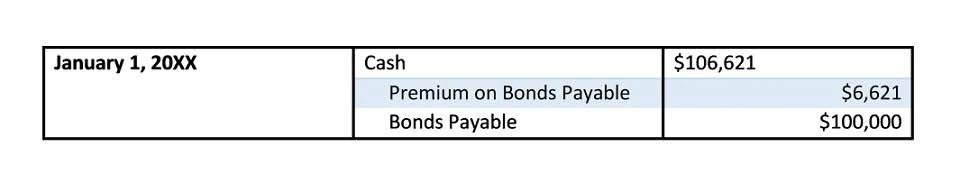
However, business practices can vary, and some businesses might choose to include cash transactions in their Sales Journal. A sales revenue journal entry records the income earned from selling goods or services, debiting either Cash or Accounts Receivable and crediting the Sales Revenue account. At the end of the period, we would post the totals of $7,650 credit to cash, the $7,500 debit to accounts payable, and the $150 credit to merchandise inventory.

Credit Sales Journal Entry
For instance, if a company sells $500 worth of products on credit, $500 will be credited to accounts receivable and debited to sales revenue in the ledger accounts. By recording the customer’s name in the Outsource Invoicing sales journal entry, businesses can accurately track which customers are purchasing goods or services. This information is vital for maintaining accounts receivable, as it helps in monitoring outstanding payments due from customers. Including the customer name in the sales journal facilitates the linkage between the sales entry and the corresponding ledger entries.

Similarly, the person who is responsible for accepting and recording sales returns shall be different from the person who is responsible for invoicing. There is no need to record complete details of the goods sold in the sales day book. After the customer pays, you can reverse the original entry by crediting your Accounts Receivable account and debiting your Cash account for the amount of the payment.
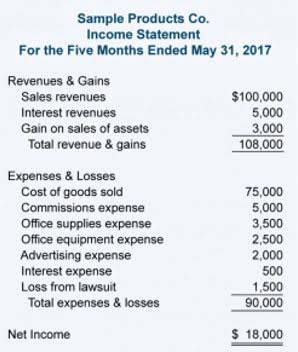

By detailing each product or service sold, organizations can extract valuable insights regarding customer preferences, revenue generation, and market trends. It plays a pivotal role in optimizing sales processes by pinpointing opportunities for improvement and adjustments in pricing, promotions, or product offerings. The date of sale in a sales journal entry is crucial for proper revenue recognition and sales journal aligning sales data with financial statements.