The Impact and Evolution of US Sanctions: A Comprehensive Overview
The United States has long been an active player on the global stage, and one of the tools it employs to exert influence or modify behaviors of other nations is through sanctions. This article provides a detailed examination of US sanctions https://lhfministries.org/media/pgs/?us-sanctions-full-overview.html, exploring their historical context, types, and broader implications.
Understanding US Sanctions
US sanctions are measures taken by the US government to restrict or limit economic, diplomatic, and direct contact with specific countries, groups, or individuals. Sanctions are often instituted in response to activities deemed contrary to US interests, including human rights abuses, terrorism, and nuclear proliferation. The primary legal frameworks under which the US implements sanctions are the International Emergency Economic Powers Act (IEEPA) and the Trading with the Enemy Act (TWEA).
Historical Context
The use of economic sanctions by the United States can be traced back to the early 20th century, but it became a more significant component of foreign policy during the Cold War. The 1979 Iranian revolution, which resulted in the hostage crisis, marks a pivotal moment where sanctions were used to exert pressure on a foreign government. Over the years, sanctions have been applied to various countries, including Iraq, North Korea, Cuba, and more recently, Russia and Venezuela.
Types of US Sanctions
US sanctions can be broadly categorized into several types:
- Comprehensive Sanctions: These are broad prohibitions that restrict all trade and economic activity with a target country. An example is the sanctions imposed on North Korea.
- Targeted Sanctions: Also known as “smart sanctions,” these focus on specific individuals, organizations, or sectors within a target country, minimizing broader economic harm. The sanctions against Russian elites following the annexation of Crimea exemplify this approach.
- Sectoral Sanctions: These restrict activities in specific sectors, such as finance or energy, without levying a complete embargo.
- Secondary Sanctions: These act to pressure third-party countries and entities from engaging in business with the targeted nation.
Impact of US Sanctions
The effectiveness of US sanctions is a subject of ongoing debate among policymakers and scholars. On one hand, sanctions can cripple economies and effectuate policy changes. For instance, the sanctions against Iran have significantly impacted its economy, lowering its oil exports and limiting its financial transactions globally. On the other hand, sanctions often lead to humanitarian crises and may entrench the very regimes they seek to change by rallying public support against perceived external aggression.
Challenges and Criticisms
Critics argue that US sanctions can disproportionately affect civilian populations and lead to unintended consequences. For example, sanctions imposed on Iraq in the 1990s resulted in widespread poverty and a deteriorating humanitarian situation, leading many to argue that such measures should be scrutinized carefully to avoid humanitarian disasters.
Furthermore, the rise of multipolarity in international relations poses additional challenges to the effectiveness of US sanctions. Major powers such as China and Russia may seek to shield sanctioned countries through alternative economic partnerships, undermining US leverage.
Recent Developments in US Sanctions
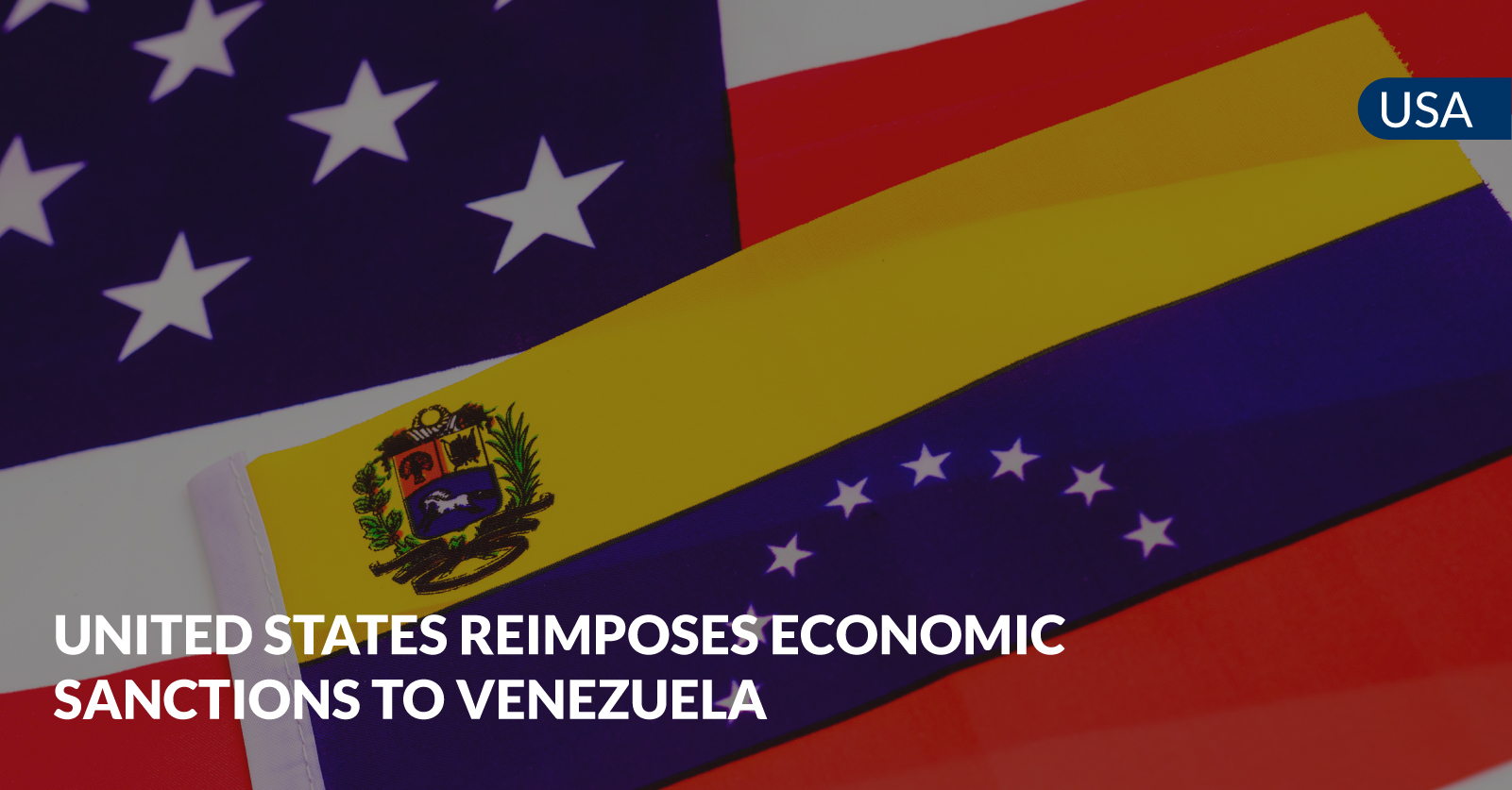
In recent years, the US has employed sanctions in response to various geopolitical developments. The sanctions against Russia following its involvement in Ukraine and alleged interference in the 2016 US election reflect a strategic use of sanctions to address national security concerns. Similarly, ongoing sanctions against Venezuela aim to weaken the Maduro regime amidst a significant humanitarian crisis and political turmoil.
The Future of US Sanctions
Looking ahead, the future of US sanctions is likely to be shaped by evolving geopolitical dynamics. As new challenges emerge—such as cyber threats or pandemics—the US may adapt its sanctioning strategies to address these contemporary risks. Enhanced collaboration with international partners could also lead to more cohesive and effective sanctions regimes that resonate globally.
Conclusion
US sanctions are a vital component of American foreign policy, wielded to achieve strategic objectives and modify the behavior of nations. Understanding the complexities, effectiveness, and humanitarian implications of these measures is crucial as global dynamics continue to evolve. As the international landscape becomes increasingly intertwined, the conversations surrounding sanctions will only grow in importance, ultimately reflecting the ethical and practical considerations of exerting economic pressure on a global scale.